
Why Tire Pressure Matters More Than You Think
August 14, 2026
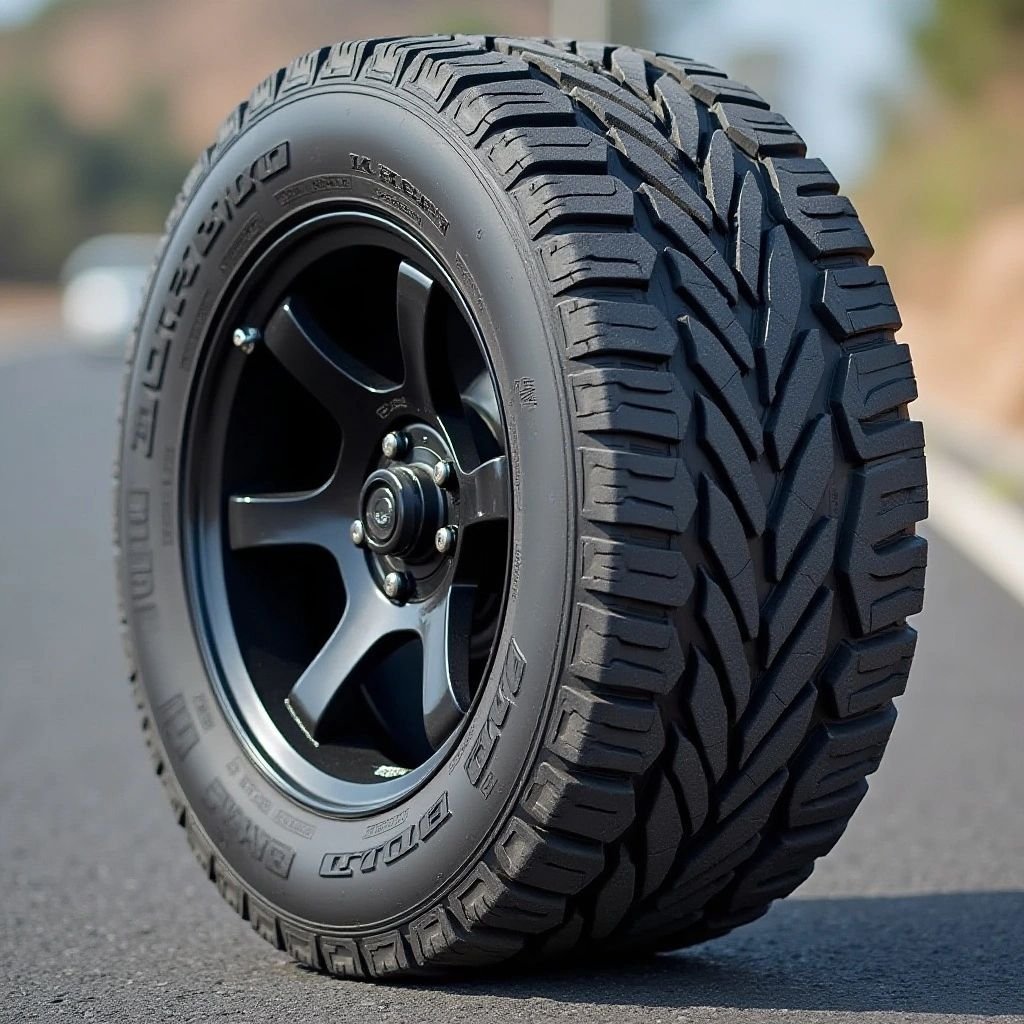
If you’re like most drivers, tire pressure probably isn’t something you think about until a warning light pops up on your dashboard. But keeping your tires properly inflated is one of the simplest, cheapest things you can do to protect your vehicle, your wallet, and your safety on the road. Here’s what you need to know — and why it’s worth checking regularly.
What “Proper” Tire Pressure Actually Means
Every vehicle has a manufacturer-recommended tire pressure, usually measured in PSI (pounds per square inch). You’ll find this number on a sticker inside your driver’s side door jamb or in your owner’s manual — not on the tire itself. The number printed on the tire’s sidewall is the maximum pressure the tire can hold, not the recommended pressure for your vehicle.
For most passenger cars, that number falls somewhere between 30 and 35 PSI, but it varies by make, model, and even by front versus rear axle. Trucks and vehicles that regularly carry heavy loads — including semi-trucks — often run higher pressures to handle the added weight safely.
Why Underinflated Tires Are a Bigger Deal Than You’d Guess
Safety. Underinflated tires flex more as they roll, which builds up heat. Excess heat is one of the leading causes of blowouts, especially on long highway drives in the summer. Low pressure also increases stopping distance and reduces your ability to handle sharp turns or sudden lane changes.
Fuel economy. Your tires are the only part of your car touching the road, and underinflated tires create more rolling resistance. That means your engine works harder to maintain speed, burning more fuel in the process. Studies have shown that tires just a few PSI below recommended levels can measurably hurt gas mileage.
Tire lifespan. Low pressure causes the outer edges of the tread to wear faster than the center, leading to uneven wear patterns that shorten the life of your tires. Replacing tires early because of avoidable wear is money you don’t need to spend.
Overinflated Tires Aren’t Safe Either
It’s not just about adding air — too much air causes problems too. Overinflated tires ride harder, wear out the center of the tread prematurely, and reduce the tire’s contact patch with the road, which hurts traction and braking performance, especially in wet conditions.
How Often Should You Check?
A good rule of thumb is to check your tire pressure once a month, and always before a long road trip. Temperature swings matter more than people realize — tire pressure drops roughly 1 PSI for every 10-degree drop in outside temperature. That means tires that were perfectly inflated in the summer heat can end up underinflated once the weather turns cold.
Don’t rely solely on your dashboard’s tire pressure warning light (TPMS). Many systems are only calibrated to alert you once pressure is significantly low — often 25% below the recommended level. By the time that light comes on, you may already be driving on tires that have been underinflated, and unsafe, for a while.
The Simple Fix
Checking tire pressure takes less than five minutes with an inexpensive gauge, and topping off air at most gas stations is quick and cheap. It’s one of the easiest maintenance habits to build — and one of the most overlooked.
If it’s been a while since your tires were checked, or you’re not sure what pressure your vehicle needs, we’re happy to take care of it for you. As a mobile mechanic service, we can come to you for tire checks, inflation, and any other repairs your vehicle needs — no need to carve out time for a shop visit. We also handle semi-truck tire service for commercial drivers who can’t afford downtime.
Give Chastain Mechanical Solutions a call at 678-386-1390 to schedule a visit — we’re available 24/7 to keep you safely on the road.
About Chastain Mechanical Solutions
We're a 24/7 mobile mechanic serving Stockbridge and Metro Atlanta. We come to you for diagnostics, brakes, batteries, starters, alternators, and more. Reliable work at affordable prices!
Call or text 678-386-1390