
How to Check Your Vehicle’s Fluid Levels
August 29, 2026
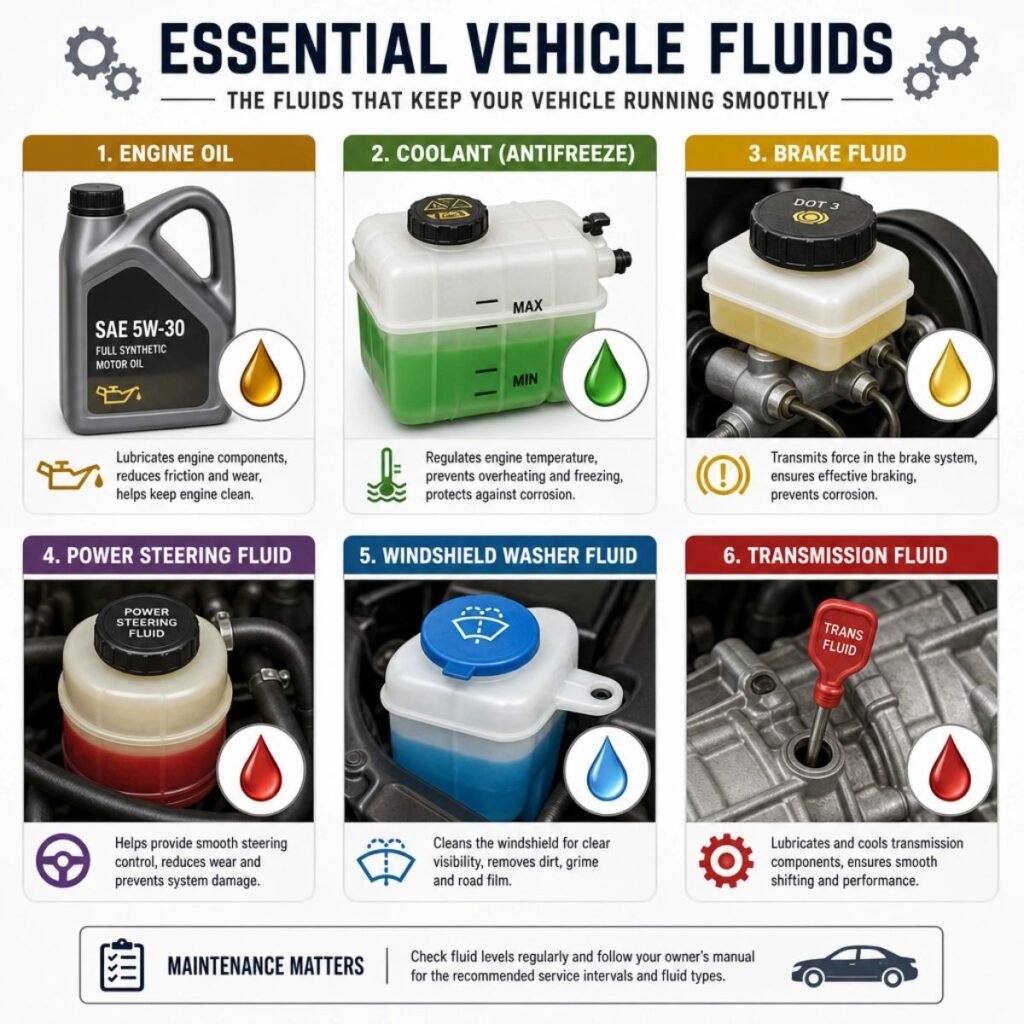
Regularly checking your car’s fluid levels is one of the easiest ways to catch small problems before they turn into expensive repairs — and it takes less time than a trip through a drive-thru. Whether you’re prepping for a road trip up I-75 or just staying on top of routine maintenance, here’s a simple, step-by-step guide to checking the fluids that keep your vehicle running safely.
At Chastain Mechanical Solutions, we serve Atlanta and the surrounding areas as a mobile mechanic — so if any of these checks reveal a problem, we can come straight to you to handle it, wherever you are.
Before You Start
A few quick tips to make fluid checks easier and safer:
- Park on a flat, level surface. Fluid levels can read inaccurately on an incline.
- Make sure the engine has had time to cool, especially before checking coolant.
- Keep a rag or paper towel handy — most checks involve wiping a dipstick or cap clean.
- Check your owner’s manual for your vehicle’s specific fluid types and locations, since these can vary by make and model.
1. Engine Oil
Why it matters: Oil lubricates your engine’s moving parts and helps prevent overheating and excessive wear.
How to check it:
- Park on level ground and let the engine sit for a few minutes if it’s been running.
- Locate the oil dipstick (usually a bright yellow or orange handle) and pull it out.
- Wipe it clean with a rag, then reinsert it fully.
- Pull it out again and check where the oil sits relative to the “Min” and “Max” (or crosshatch) markings.
- Also take note of the oil’s color and consistency — it should be amber to light brown. Dark, gritty, or sludgy oil is a sign it’s time for a change.
Low oil? Top it off with the type recommended in your owner’s manual, but if you’re consistently low, there may be a leak worth having inspected.
2. Coolant (Antifreeze)
Why it matters: Coolant regulates engine temperature and prevents overheating — especially important during Georgia’s hot, humid summers.
How to check it:
- Only check coolant when the engine is completely cool — never open the radiator cap on a hot engine.
- Locate the coolant reservoir (a translucent plastic tank, usually with “Min” and “Max” lines).
- Check that the fluid level falls between those two lines.
- If it’s low, top it off with the correct coolant type (check your manual — mixing types can cause issues).
Signs of trouble: Rusty or muddy-looking coolant, a sweet smell under the hood, or coolant that keeps dropping between checks can indicate a leak or cooling system issue.
3. Brake Fluid
Why it matters: Brake fluid is essential for your braking system to function safely and effectively.
How to check it:
- Locate the brake fluid reservoir, usually near the back of the engine bay on the driver’s side, marked with “Min” and “Max” lines.
- Check the fluid level without opening the cap if possible, since brake fluid is sensitive to moisture and contamination.
- Note the color — healthy brake fluid is typically clear to light amber. Dark or murky fluid may need to be flushed.
Low brake fluid can indicate worn brake pads (which is often normal) or a potential leak, so it’s worth having it checked if the level drops noticeably.
4. Transmission Fluid
Why it matters: Transmission fluid lubricates and cools your transmission, helping gears shift smoothly.
How to check it:
- Many modern vehicles have sealed transmissions without a traditional dipstick — check your owner’s manual first.
- If your vehicle has a dipstick, the process is often done with the engine running and warmed up (check your manual for specifics).
- Pull the dipstick, wipe it clean, reinsert, then check the level and condition.
- Healthy transmission fluid is typically red or pink and shouldn’t smell burnt.
Because this process varies significantly by vehicle, this is a great one to leave to a professional if you’re not sure — an incorrect check (or overfilling) can cause issues.
5. Power Steering Fluid
Why it matters: This fluid helps make steering smooth and responsive. (Note: some newer vehicles use electric power steering and don’t have this fluid at all.)
How to check it:
- Locate the power steering reservoir, usually a small cap labeled accordingly.
- Check the fluid level against the “Min” and “Max” markings, either on the reservoir itself or the attached dipstick.
- Top off if needed with the correct fluid type.
Signs of low fluid: Difficulty turning the wheel, whining noises while steering, or visible leaks near the front of the vehicle.
6. Windshield Washer Fluid
Why it matters: Not safety-critical in the same way as other fluids, but essential for visibility — especially with Georgia’s pollen season coating windshields every spring.
How to check it:
- Locate the reservoir, usually marked with a windshield/wiper symbol.
- Simply check the level visually and top off with washer fluid as needed.
When to Call In a Mobile Mechanic
Checking fluid levels is a great habit, but if you’re noticing any of the following, it’s time to get a professional set of eyes on your vehicle:
- Fluids that are consistently low or dropping quickly
- Discolored, gritty, or foul-smelling fluid
- Visible puddles or spots under your car
- Warning lights related to oil pressure, coolant temperature, or braking
We Come to You — Anywhere in Atlanta and the Surrounding Areas
That’s where Chastain Mechanical Solutions comes in. As a mobile mechanic serving Atlanta and the surrounding areas, we can inspect your fluids, top them off, flush and replace what’s needed, or diagnose the source of a leak — all without you having to drive anywhere or sit in a shop waiting room.
Call us at 678-386-1390 to schedule a mobile inspection today, and let us help keep your vehicle’s fluids — and everything they protect — in great shape.