
How to Tell Your Radiator Needs to Be Replaced
August 28, 2026
Your radiator doesn’t get much attention until something goes wrong — and when it does, it can go from “minor issue” to “stranded on the side of the road” faster than almost any other part of your car. Knowing the warning signs early can save you from an overheated engine, a costly breakdown, or worse.
Here’s how to tell if your radiator is failing, when a repair is enough versus when you need a full replacement, and how Chastain Mechanical Solutions can handle the job right at your home or office in Stockbridge.
What Does the Radiator Actually Do?
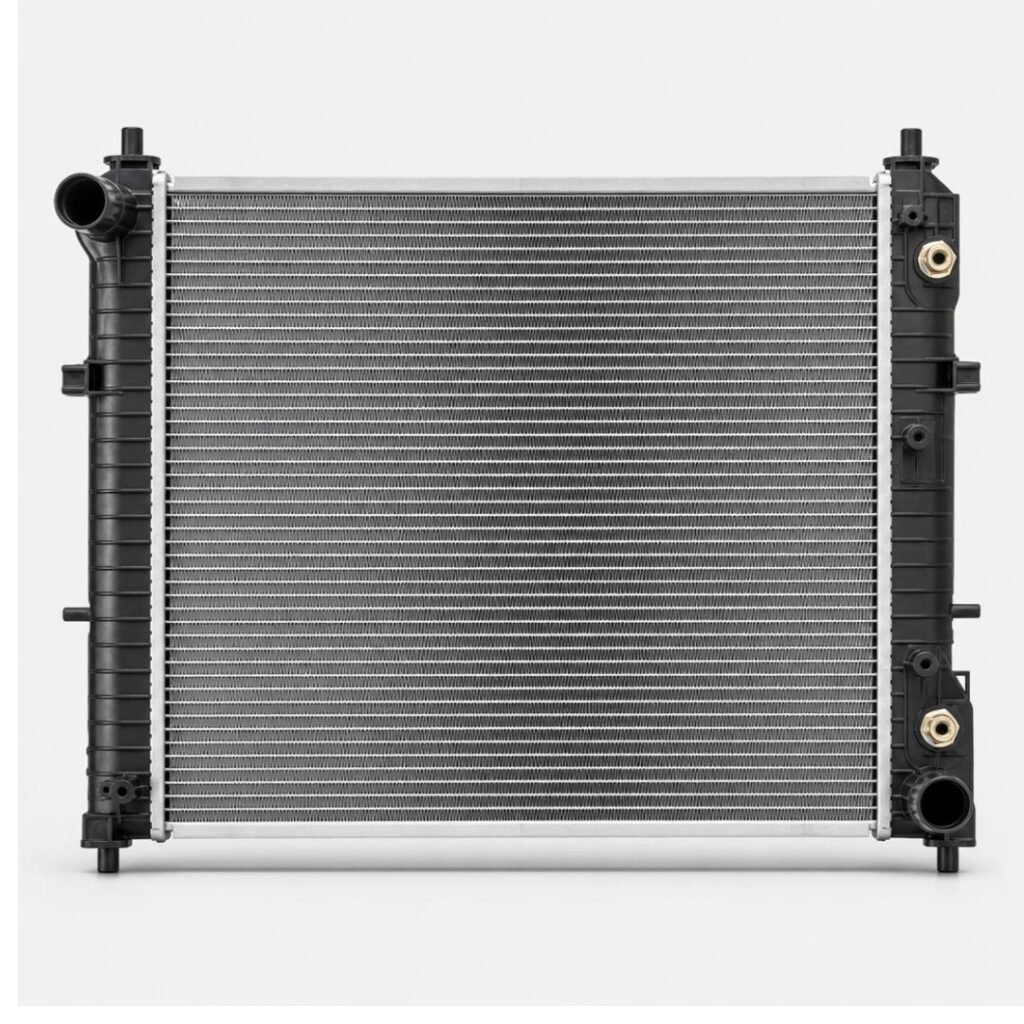
Your radiator is a core part of your engine’s cooling system. As coolant circulates through the engine, it absorbs heat — then flows into the radiator, where that heat is released into the outside air (with help from the fan) before the coolant cycles back through the engine. Without a properly working radiator, your engine has no way to regulate its temperature, and overheating can cause serious, expensive damage in a short amount of time.
Common Signs Your Radiator Needs Attention
1. Engine Overheating
This is the most obvious and urgent sign. If your temperature gauge creeps into the red, or you get an overheating warning light, the radiator is one of the first components to suspect — especially if it happens repeatedly or under normal driving conditions.
2. Coolant Leaks
A puddle of orange, green, pink, or yellow fluid under your car (usually toward the front) is a telltale sign of a coolant leak. Radiators can develop leaks from cracks, corrosion, or damaged seams, especially in older vehicles or after a road debris impact.
3. Low Coolant Levels That Keep Dropping
If you find yourself topping off coolant more often than you should, there’s likely a leak somewhere in the system — and the radiator is a common culprit, particularly if you can’t visually spot where fluid is escaping.
4. Discolored or Contaminated Coolant
Healthy coolant should be a clear, bright color (depending on the type). If it looks rusty, muddy, or has an oily sheen, it may indicate internal corrosion or contamination — a sign your radiator (or the broader cooling system) is deteriorating internally.
5. Sludge or Debris Buildup
Over time, radiators can develop internal buildup that restricts coolant flow, reducing your cooling system’s effectiveness. If a flush doesn’t resolve overheating issues, the radiator itself may be too far gone.
6. Visible Rust or Corrosion on the Radiator
If you can see the radiator (usually behind the front grille) and notice rust, white crusty deposits, or corrosion around the seams or fins, it’s a sign the metal is breaking down and may fail soon.
7. Bent, Damaged, or Clogged Fins
The thin metal fins on your radiator help dissipate heat. If they’re bent, crushed, or clogged with dirt and road debris, your radiator can’t cool efficiently, even if it’s not leaking.
8. Sweet Smell Inside or Outside the Car
Coolant has a distinct sweet smell. If you notice it inside the cabin, from the vents, or lingering under the hood, coolant is likely leaking somewhere in the system, and the radiator is worth inspecting.
9. Heater Isn’t Working Properly
Your cabin heater relies on hot coolant circulating from the engine. If your heat is blowing cold or lukewarm air, a struggling radiator or low coolant level could be part of the problem.
Repair vs. Replacement: How to Know
Not every radiator issue requires full replacement. Here’s a general breakdown:
A repair (like a flush, hose replacement, or minor leak seal) may be enough when:
- The issue is a small hose, clamp, or fitting rather than the radiator core itself
- There’s minor sludge buildup that a professional flush resolves
- The radiator itself has no visible cracks, corrosion, or structural damage
Replacement is typically necessary when:
- The radiator core is cracked, leaking, or corroded
- Fins are extensively damaged or clogged beyond cleaning
- The radiator has caused repeated overheating despite other fixes
- Internal blockages are restricting coolant flow significantly
- The radiator is old and has multiple compounding issues
A proper diagnostic — checking for leaks, pressure testing the system, and inspecting the radiator itself — is the only reliable way to know for sure.
Why You Shouldn’t Ignore These Signs
An overheating engine isn’t just an inconvenience — it can cause serious, expensive damage, including a warped cylinder head, blown head gasket, or complete engine failure. What might start as a manageable radiator repair can turn into a much bigger (and more expensive) job if you keep driving on a failing cooling system.
How Chastain Mechanical Solutions Can Help — Right Where You Are
Radiator issues are exactly the kind of repair that benefits from mobile service:
We come to you before it becomes an emergency. If you’re noticing early warning signs — small leaks, occasional temperature spikes — our mobile mechanics can diagnose the issue at your home or workplace in Stockbridge before it turns into a roadside breakdown.
On-site diagnostics. We’ll inspect your cooling system, pressure test for leaks, check coolant condition, and give you a clear answer on whether you need a repair or full radiator replacement.
Convenient, no-tow service. Many radiator repairs and replacements can be completed at your location, so you’re not stuck arranging a tow or sitting in a shop waiting room.
Honest, straightforward recommendations. We’ll tell you exactly what’s going on with your cooling system and what it’ll take to fix it — nothing more, nothing less.
Don’t Wait Until You’re Stranded
If your car has been running hotter than usual, leaking coolant, or your heater isn’t working right, don’t wait for it to turn into an overheating emergency. Chastain Mechanical Solutions brings professional cooling system diagnostics and repair directly to you, anywhere in Stockbridge and the surrounding area.
Call us at 678-386-1390 to schedule your mobile diagnostic today and keep your engine running cool, right from your own driveway.