
Why Using the Correct Fluids in Your Vehicle Actually Matters
August 31, 2026
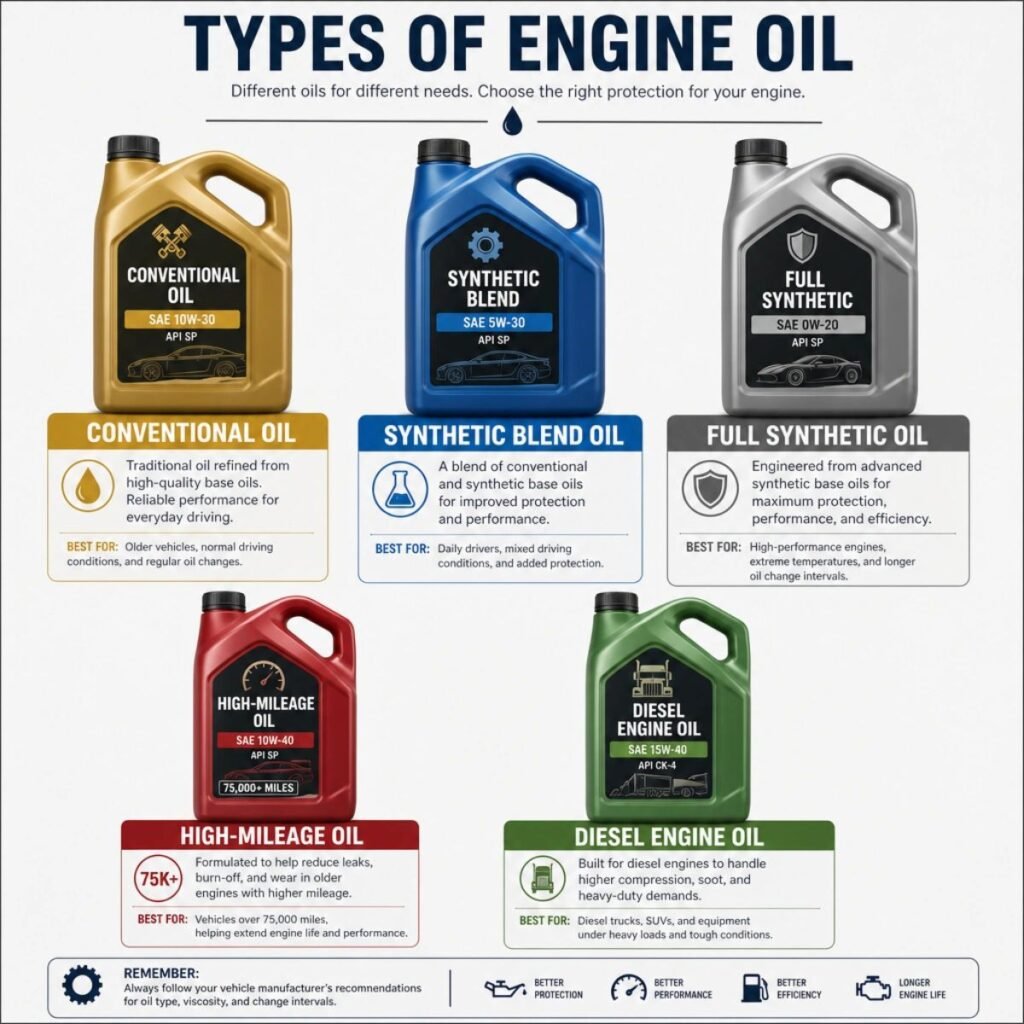
“Oil is oil, right? Coolant is coolant?” It’s a common assumption — and an expensive one to get wrong. Modern vehicles are engineered with very specific fluid requirements, and using the wrong type (even if it seems “close enough”) can lead to poor performance, premature wear, and in some cases, serious and costly damage.
Here’s why fluid specifications matter so much, and what can happen when the wrong ones are used.
Fluids Are Engineered, Not Interchangeable
It’s easy to think of fluids as generic — pour it in, and it does its job. But today’s engines, transmissions, and braking systems are precisely engineered, and manufacturers formulate fluids to match those exact specifications. Viscosity, additives, chemical composition, and even how a fluid breaks down over time and temperature are all designed around how a specific system is built to operate.
Using the “wrong but similar” fluid isn’t just a minor mismatch — it can actively work against how your vehicle’s components were designed to function.
Engine Oil: Viscosity and Additives Matter
Engine oil is graded by viscosity (like 5W-30 or 0W-20), and that number isn’t arbitrary — it reflects how the oil flows at different temperatures to properly protect your engine’s internals. Using an oil with the wrong viscosity can lead to:
- Poor lubrication during cold starts, increasing engine wear
- Reduced oil pressure or excessive pressure, depending on the mismatch
- Decreased fuel efficiency
- Increased engine heat and stress on internal components
Beyond viscosity, oils are also formulated with specific additive packages for detergents, friction modifiers, and protection levels. Many modern engines, especially those with turbochargers or direct injection, require oils that meet specific manufacturer certifications — not just “any oil that fits the viscosity number.”
Coolant: Not All Formulas Play Well Together
Coolant might seem like the most interchangeable fluid of all, but it’s actually one of the most important to get right. Different coolant formulas (like traditional green coolant, OAT, or HOAT formulations) contain different corrosion inhibitors designed to protect specific metals used in your engine and radiator.
Mixing incompatible coolant types — or using the wrong one altogether — can cause:
- Chemical reactions that create sludge or gel within the cooling system
- Reduced corrosion protection, leading to internal rust and buildup
- Clogged radiators, hoses, or heater cores
- Reduced cooling efficiency, increasing the risk of overheating
This is one of the most common mistakes people make when simply topping off with “whatever coolant is on the shelf,” and it can lead to expensive cooling system repairs down the line.
Transmission Fluid: Precision Matters Even More
Transmission fluid is one of the least forgiving fluids when it comes to substitutions. Automatic transmission fluid (ATF) comes in multiple specific formulations, and using the wrong one can cause:
- Rough or delayed shifting
- Increased friction and internal wear
- Transmission overheating
- In severe cases, complete transmission failure
Unlike engine oil, transmission fluid differences often aren’t something you can “get close enough” on — many manufacturers require a very specific formulation, and using the wrong one can cause damage that’s expensive to reverse.
Brake Fluid: A Safety-Critical Fluid
Brake fluid plays a direct role in your ability to stop safely, and different types (like DOT 3, DOT 4, and DOT 5) have different boiling points and chemical compositions. Using the wrong type — or mixing incompatible types — can lead to:
- Reduced braking performance under heat and stress
- Damage to rubber seals within the brake system
- Spongy or inconsistent brake pedal feel
- Corrosion within brake lines and components
Given that this fluid directly affects your ability to stop your vehicle, it’s not an area where “close enough” is an acceptable standard.
Power Steering Fluid: Compatibility Counts
Power steering systems (on vehicles that still use hydraulic steering) also rely on specific fluid formulations. Using an incompatible fluid can cause seal deterioration, leaks, or a noisy, poorly performing steering system over time.
Why “It Should Be Fine” Is a Risky Approach
It’s tempting to think a fluid mismatch is a minor issue, especially if your car seems to run fine immediately afterward. But many of these problems build gradually — internal wear, chemical breakdown, or corrosion that doesn’t show obvious symptoms right away, but leads to bigger failures down the road.
By the time symptoms are noticeable — rough shifting, overheating, poor braking, unusual noises — the damage may already be done, and the repair bill considerably larger than it would have been with the correct fluid from the start.
How Chastain Mechanical Solutions Gets It Right
As a mobile mechanic, we take fluid specifications seriously because we know how much they matter to your vehicle’s long-term health. When we service your car, we make sure to use the fluids specified for your exact make, model, and engine — not just something that’s “close enough.” Whether it’s an oil change, coolant flush, transmission service, or brake fluid replacement, we reference manufacturer specifications to make sure your vehicle gets exactly what it was engineered to run on.
Don’t Gamble on Fluid Compatibility
Using the correct fluids isn’t just a technicality — it’s one of the simplest ways to protect your engine, transmission, and braking system from unnecessary wear and expensive damage. If you’re not sure what your vehicle needs, or it’s time for a fluid service, Chastain Mechanical Solutions brings expert, by-the-book service directly to you.
Call 678-386-1390 to schedule your mobile service today, and know your car is getting exactly what it needs — nothing improvised, nothing guessed.